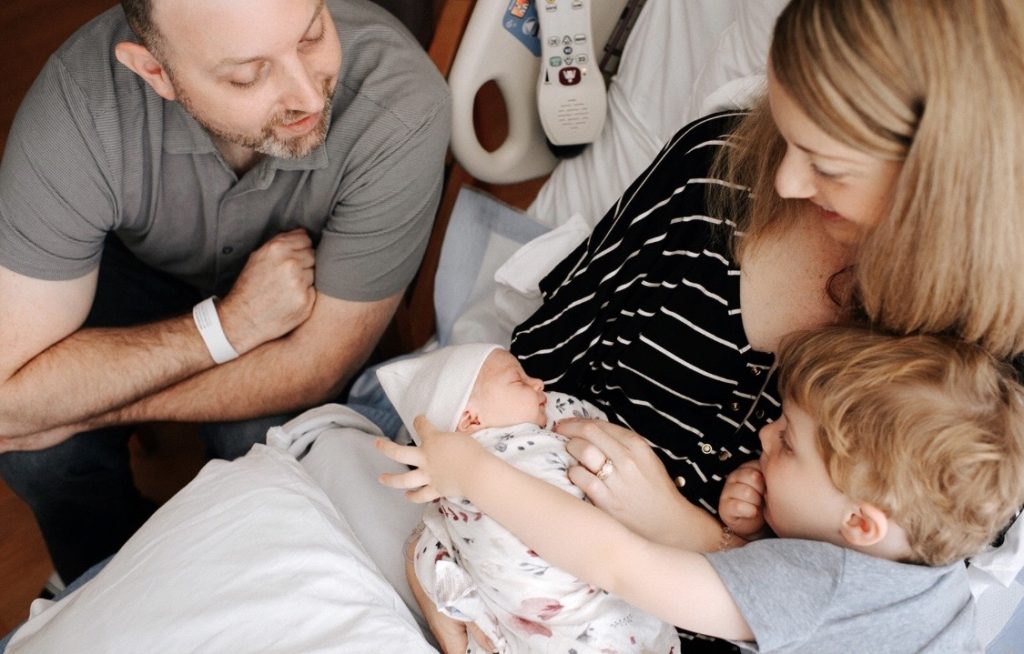
Bringing one baby home is life-changing. Bringing home a second baby while your first is still a toddler? That’s a whole new level of adjustment. In fact there is probably a reason why I’m just writing this blog and my kids are 7 and 9….life is BUSY with two kids.
If you’re in the “2 under 2” stage, you’re probably juggling nap schedules, bedtime routines, and middle-of-the-night wake-ups—often while running on very little sleep yourself and maybe a full time job too!
The good news: while it may not feel easy, restful nights are possible for both of your little ones (and for you). With some intentional strategies, you can build a foundation that helps everyone in your home get the sleep they need.
Let’s Normalize the Challenge
Having two young children close in age means your household will feel busy and unpredictable for a while. Infants and toddlers often have different needs—newborns feed frequently overnight while toddlers may fight bedtime or wake early. The goal isn’t perfection. It’s to create smoother, more predictable rhythms that allow everyone to rest more consistently.
A few tips for those early days:
- Plan out the help you need! Whether this is with family coming to stay, a postpartum doula, or outsourcing other needs such as meal deliveries or meal train from neighbors. Take off that “I’m going to do it all” hat and let your tribe help you (this was a BIG adjustment for me, but wow does your village show up)
- Talk with your partner about dividing up newborn care, especially for overnight. More on involving your partner in sleep care here
- Do NOT worry about contact naps in the early days, it is a way of life for your newborn for a while as you walk to preschool drop off or head to the playground
Prioritize Safe Sleep Setups
Every child needs their own safe sleep space and typically baby will be in with you for that first 6 months, read the AAP guidelines here. After room sharing and sleep training (if needed) then you may consider two cribs in the same room (please do NOT move your 2 year old to a bed yet if they aren’t developmentally ready only because you want to use the crib for the new baby, it WILL backfire). Impulse control just isn’t there for most 2 year olds to stay in a bed so I’m team “stay in the crib as long as possible” at this age as long as they are safe and not climbing out of it.
If your children are sharing planning to share a room then consider white noise, blackout curtains, or tools like a SlumberPod for naps in a pack n play that can be game-changers for minimizing disruptions. If you’re figuring out how to make room-sharing work, I share my top strategies here: Top 3 Tips for Room Sharing Success.

Stagger Bedtimes Strategically
Two children under two often do best with slightly staggered bedtimes for a while. Many families find that putting the baby down first works well (once they are on two naps a day and have a 7/7:30 pm bedtime) —then focusing on the toddler’s bedtime routine without worrying about a fussy infant in the mix. Consider having a reading nook for your toddler outside of the bedroom if kids are room sharing to help with a “quieter” entry into the bedroom 🙂
For younger newborns that are going down later in the evening families may prefer getting the toddler settled first so they can give the baby more focused attention. Either way, the key is to reduce stimulation and keep each child’s wind-down predictable.
A consistent bedtime routine is grounding for both children—even if it looks a little different for each one. Reading a story, singing a song, or a few minutes of snuggle time can go a long way in helping your toddler and baby wind down. At this age your toddler should be able to go to sleep independently, but if you need help be sure to check out my video all on preparing your toddler for sleep training (and if you have time to do this before the new baby arrives even better)!
If you have a partner or caregiver at home, consider “divide and conquer” with one adult who handles the baby while the other does the toddler’s bedtime. On solo nights, keep routines short but predictable. Once your kiddos are around 1 and 3 years you’ll find they are able to go down around the same time and you can start combing the bedtime routine if you’d like!
Keep Nap Schedules Flexible but Consistent
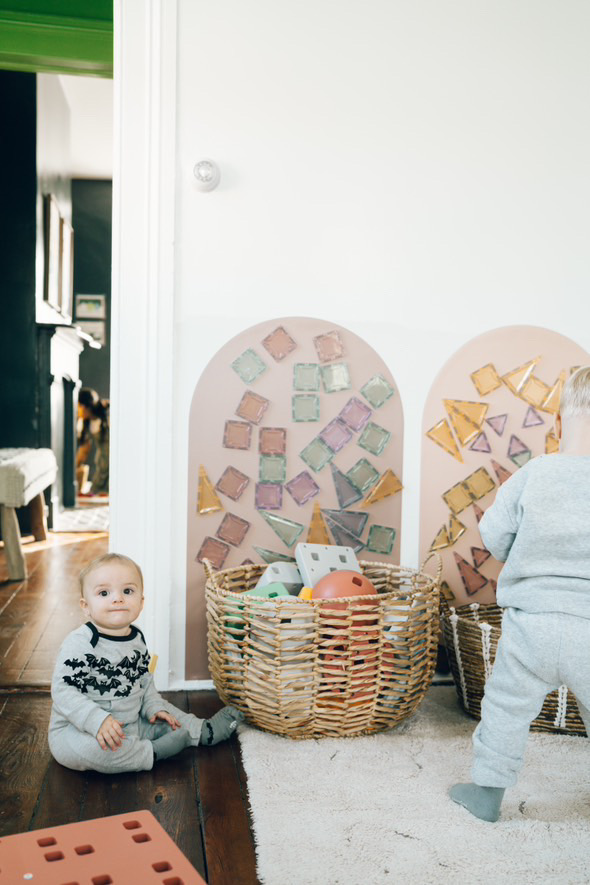
Your infant and toddler will not be on the same nap schedule right away and that’s normal. Your toddler might take one predictable nap, while your infant is still cycling through several shorter stretches. That’s where baby wearing can be golden or learning to nap on the go so you can go to a play area or the playground with your toddler while still getting your newborn the sleep they need.
Focus on protecting your toddler’s nap time as much as possible while weaving in baby’s naps around it is often very helpful. That way, your older child stays well-rested and meltdowns are minimized. If you’re unsure what’s appropriate for your child’s age, I’ve broken down nap timing by developmental stage here: What Nap Schedule Should My Baby or Toddler Be On?.
Care for the Caregivers
Perhaps most importantly—remember that you matter, too. Parenting two under two can be exhausting, and your sleep needs are real. Trade off nights with a partner, nap when the kid’s naps overlap, and give yourself permission to let go of some “extras” during this intense season.
Having two under two is a season filled with love, chaos, and very little downtime. But with safe sleep setups, staggered routines, and age-appropriate schedules, your family can find a rhythm that works.
If you’re feeling stuck, you don’t have to navigate this alone. My 1:1 sleep support packages are designed to help families like yours create personalized plans for smoother nights and later mornings.
Celebrate the small wins: a toddler who goes down without protest, a baby who connects sleep cycles, or a morning where everyone slept just a little longer. Those small steps add up to real progress.
💤 Want support tailored to your family? Book a discovery call and let’s get you on the path to more rest—for everyone under your roof.