Parents often ask when it’s appropriate to introduce a pillow for their child and whether pillows are even necessary. Sleep posture plays an important role in spinal health and nervous system regulation, especially during the early years when a child’s spine, muscles, and coordination are still developing. Below are some answers to common questions about pillows and children from our guest blogger Dr. Ryan Kennedy from Connect First Chiropractic .
When Is the Right Age to Introduce a Pillow for a Child?
The American Academy of Pediatrics recommends avoiding soft bedding, including pillows, during the first year of life due to safety concerns (Moon, 2022).
A common time to introduce a small pillow is between 18 months and 3 years old. This can coincide when a child transitions from a crib to a toddler or twin bed. Some signs your child may be ready for a pillow include them using a stuffed animal, blanket, or even their arm as a pillow for head support.
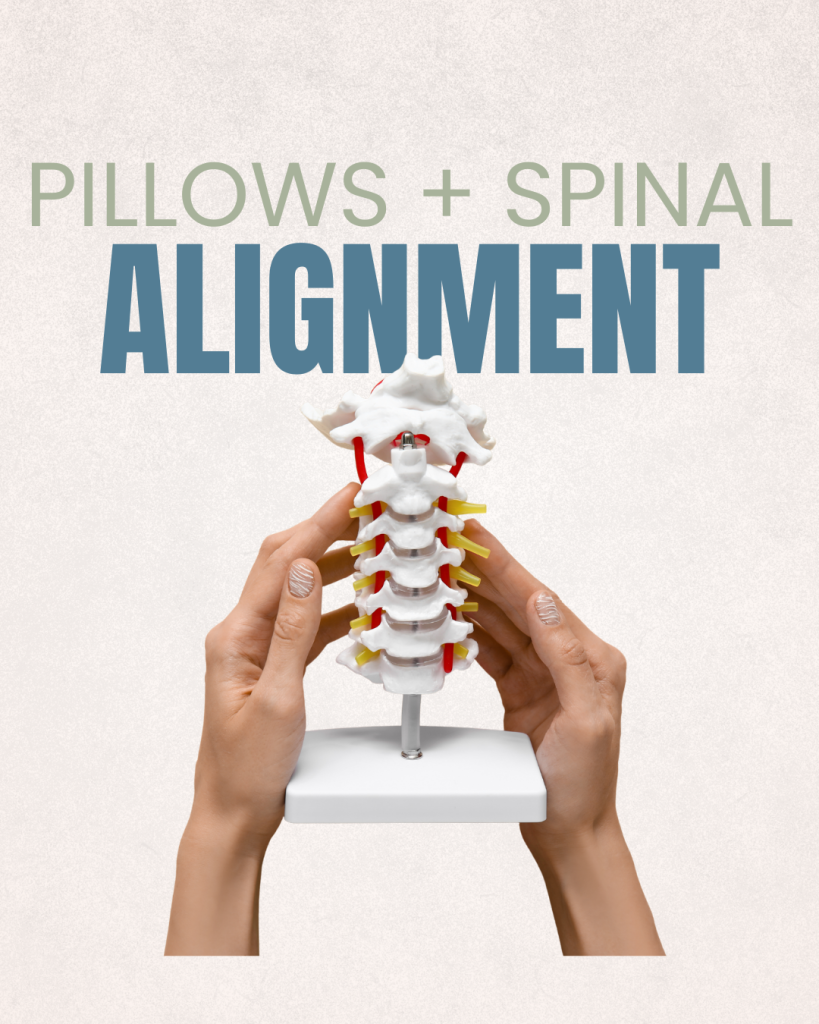
From a pediatric chiropractic perspective, the goal is not to rush the transition but to ensure that when a pillow is introduced it supports neutral alignment of the head, neck, and spine. Proper alignment during sleep helps reduce tension on the developing cervical spine and allows the nervous system to rest and regulate without unnecessary stress.
Do All Kids Need a Pillow? It Depends on Sleep Position
Not every child needs a pillow right away. Some children sleep comfortably without one. Pillow needs can depend on sleep position and body proportions.
From a spinal health standpoint, the goal is always to keep the head and neck aligned with the rest of the spine rather than pushing the head too far forward or tilting it backward.
● Back sleepers often need a very thin pillow or sometimes none at all.
● Side sleepers may need a slightly thicker pillow that fills the space between the shoulder and head.
● Stomach sleepers generally do best with a very thin pillow or no pillow to avoid excessive extension of the neck.
How to Choose the Best Pillow for a Toddler or Young Child
When selecting a pillow for a toddler or young child, look for a few key things:
● Size: Toddler pillows are typically around 13 x 18 inches, which better fits a child’s proportions than a standard pillow.
● Firmness: A low, moderately firm pillow tends to provide better support for the neck than one that collapses during sleep.
● Height (loft): The pillow should be relatively thin so it supports the head without bending the neck forward.
● Material: We prefer natural, breathable fibers such as cotton, wool, or natural latex. These materials allow airflow and can reduce exposure to synthetic chemicals.
● Spinal alignment: When your child is lying down, the head, neck, and spine should appear straight and neutral when viewed from the side.
From a pediatric chiropractic perspective, a pillow that supports neutral alignment can help minimize strain on the upper cervical spine, which plays an important role in posture, movement, and nervous system communication.
Should Children Change Pillows as They Grow?
Yes. As children grow, their shoulder width, head size, and spinal curves gradually change. A pillow that works well for a toddler may not provide the same support for a school-aged child.
As the body grows and proportions change, pillow height and support may need to be adjusted to maintain healthy spinal alignment during sleep.
Many families transition from a toddler pillow to a more standard pillow during the elementary years.

How Often Should Children’s Pillows Be Replaced?
Pillows naturally break down over time. Most should be replaced about every 1–2 years, or sooner if they lose their shape, flatten, or develop lumps.
A pillow that no longer maintains its shape may not provide proper support for the neck and spine.
Pediatric Chiropractic Perspective on Sleep, Spinal Alignment, and Kids
Sleep is one of the most important times for growth, nervous system development, and regulation, especially in children. A well-supported spine and nervous system helps reduce tension and allows the brain and body to communicate efficiently throughout the night.
If sleep isn’t going well—whether a child is struggling to settle, waking frequently, or seems uncomfortable during the night—it can sometimes be helpful to take a closer look at spinal alignment and nervous system balance.
In our office, we often recommend a pediatric chiropractic evaluation to assess how the spine and nervous system are functioning. Gentle, age-appropriate chiropractic care can help support better regulation, comfort, and more restful sleep for many children.
In pediatric chiropractic care, we focus on supporting balanced spinal function and clear nervous system communication so children can adapt, settle, and experience deeper, more restful sleep.

Thank you to Dr. Ryan Kennedy for contributing to this blog! Dr. Ryan Kennedy is a prenatal and pediatric chiropractor in Sterling, VA. Dr. Ryan and her husband own their practice Connect First Family Chiropractic. She is mother to two boys with a girl on the way! Their mission is to provide nervous system focused chiropractic care to families of northern Virginia to help them thrive in their health journey.

References:
Rachel Y. Moon, Rebecca F. Carlin, Ivan Hand, THE TASK FORCE ON SUDDEN INFANT DEATH SYNDROME AND THE COMMITTEE ON FETUS AND NEWBORN; Sleep-Related Infant Deaths: Updated 2022 Recommendations for Reducing Infant Deaths in the Sleep Environment. Pediatrics July 2022; 150 (1): e2022057990. 10.1542/peds. 2022-057990